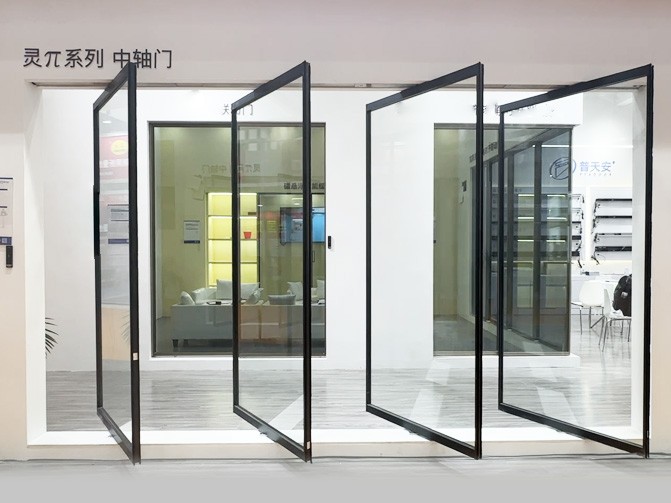


Automatic doors, once a symbol of futuristic buildings and supermarkets, are now a seamless part of our domestic lives. From garages that open with a click to sliding patio doors that grant easy pool access, they offer unparalleled convenience, security, and accessibility. But how do these seemingly magical portals actually work? This guide delves into the technology, types, benefits, and considerations behind the modern home automatic door.
Core Technology: The "How" Behind the Motion
At their heart, all automatic doors operate on a simple principle: a triggering mechanism signals a control unit to activate a door operator (motor), which then moves the door along a set path. The sophistication lies in the components:
1. The Trigger (Sensor/Actuator): This is how the door knows you want it to open. Common types for homes include:
Motion Sensors (Infrared/PIR): The most common type. They detect body heat and movement within a specific field, triggering the door. Ideal for patio or interior doors.
Radio Frequency Remotes: Small handheld fobs that send a coded signal to a receiver, popular for garage doors.
Wall-Mounted Switches/Keypads: Provide controlled access with a code or simple button press.
Mat (Pressure) Sensors: Less common now, these detect pressure from someone stepping on a mat at the doorway.
Smart Home Integration: Doors can be triggered via smartphone apps, voice assistants (like Alexa or Google Home), or as part of automated routines (e.g., "leaving home" scene locks doors).
2. The Control Unit: The brain of the system. It receives the signal from the trigger, processes it, and sends power to the motor. It manages opening/closing speed, force, and safety reversal functions.
3. The Door Operator (Motor & Drive Mechanism): This is the muscle. The type varies by door:
Screw-drive or Chain-drive Openers: Standard for overhead garage doors, where the motor turns a screw or pulls a chain to lift the door.
Linear Actuators: Used for swinging or sliding doors. They consist of a motor that extends and retracts a metal rod to push or pull the door.
Geared Motor Drives: For sliding patio doors, where a motor drives a cog that engages a track.
Types of Automatic Doors for Residential Use
Automatic Sliding Doors: Common for patio or deck entries. Panels glide horizontally on a track, saving space and offering wide, unobstructed openings. Perfect for indoor-outdoor living.
Automatic Swinging Doors: Mimic traditional doors but open and close automatically. Often used for accessible entries or as interior doors in high-end smart homes.
Automatic Overhead Garage Doors: The most ubiquitous type. A motorized opener lifts the sectional door vertically.
Automatic Gate Operators: For driveway security, these can swing or slide open.
Key Benefits: More Than Just Convenience
Accessibility: A game-changer for individuals with mobility challenges, the elderly, or parents with strollers, promoting independent living.
Hands-Free Operation: Incredibly useful when carrying groceries, luggage, or children. Also promotes hygiene by reducing contact with surfaces.
Enhanced Security: Integrated systems can auto-lock at scheduled times, be controlled remotely, and provide monitoring alerts. No more wondering if you remembered to close the garage.
Energy Efficiency: Automatic doors, especially exterior ones, open only when needed and close quickly, minimizing the loss of heated or cooled air.
Property Value & Modern Appeal: They add a touch of luxury, technological integration, and universal design appeal.
Important Considerations for Installation and Safety
1. Safety First: Modern systems are governed by strict safety standards.
Auto-Reverse: Doors must reverse immediately if they encounter an obstruction while closing (detected by contact sensors or laser beams).
Entrapment Protection: Garage doors have sensors that beam an invisible line across the opening; if the beam is broken while closing, the door reverses.
Manual Override: All systems must have a way to operate the door manually during a power outage (usually a release cord or mechanism).
2. Power Source & Backup: Most systems run on household electricity. For critical doors, consider a battery backup system to ensure operation during outages.
3. Professional Installation vs. DIY: While garage door opener kits are popular DIY projects, complex sliding or swinging doors should be installed by professionals to ensure proper alignment, safety compliance, and integration with home systems.
4. Maintenance: Regular maintenance is crucial for safety and longevity.
Monthly: Test the auto-reverse function by placing a wooden block in the door's path.
Bi-Annually: Visually inspect tracks, rollers, and hardware for wear. Lubricate moving parts as recommended by the manufacturer.
Annually: Have a certified technician perform a full safety check and service, especially for high-use doors like garages.
The Future: Smarter and More Integrated
The future of home automatic doors is deeply connected to the smart home ecosystem. Expect to see:
Biometric Triggers: Fingerprint or facial recognition for keyless, personalized entry.
Predictive Opening: Using geofencing, your door could open as your car approaches the driveway.
Advanced Environmental Integration: Doors that communicate with HVAC systems or only open when weather conditions are favorable.
In conclusion, the automatic door in your home is a marvel of practical engineering. It blends simple mechanical principles with sophisticated sensors and smart technology to provide a solution that is convenient, safe, and inclusive. By understanding how they work and maintaining them properly, you can ensure these helpful portals continue to serve your household smoothly for years to come.
The above content is sourced from the Internet. Please contact us for deletion if it infringes on your rights and interests!