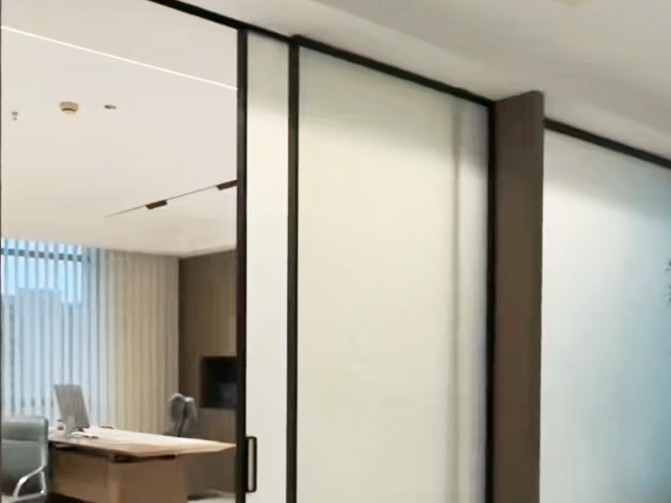


Automatic doors are a ubiquitous feature of modern architecture, offering convenience, hygiene, and accessibility. While most common systems rely on mechanical components like gears, rollers, and tracks, a cutting-edge technology is quietly revolutionizing this everyday interface: Magnetic Levitation (Maglev) Automatic Doors. This innovative application brings the futuristic principle of frictionless motion from high-speed trains to the doorways of premium buildings, offering unparalleled performance and elegance.
The Core Principle: Harnessing Invisible Forces
At its heart, maglev technology operates on a simple yet profound concept: using magnetic forces to suspend and propel an object without physical contact. For automatic doors, this translates to a door leaf (or panel) that glides open and closed while floating in mid-air, completely detached from the floor or a top track.
This is achieved primarily through electromagnetic suspension. Electromagnets are installed in the door's lintel (the overhead structure) and corresponding components are embedded in the top of the door leaf itself. By precisely controlling the electric current in these magnets, a powerful but adjustable magnetic field is created. This field interacts with the components in the door, generating both a repulsive force to lift (levitate) the door and an attractive/repulsive force to move it laterally. Sophisticated sensors and control systems continuously monitor the door's position—down to a fraction of a millimeter—and adjust the current thousands of times per second to maintain a stable, silent, and contactless glide.
Key Advantages Over Conventional Systems
The shift from mechanical to magnetic systems offers transformative benefits:
1. Frictionless and Silent Operation: The complete absence of physical contact between moving parts eliminates rolling friction and mechanical wear. Maglev doors operate in near-total silence, a stark contrast to the whirring and rumbling of traditional systems. This makes them ideal for environments where noise is a critical concern, such as libraries, hospitals, recording studios, luxury hotels, and upscale offices.
2. Exceptional Durability and Low Maintenance: Traditional automatic doors suffer from wear and tear on rollers, tracks, and gears. These components require regular cleaning, lubrication, and eventual replacement. Maglev doors have virtually no wearing parts in their drive system. There is no track to clog with dirt or debris, making them incredibly resilient, especially in high-traffic areas or environments prone to dust and particulate matter. Maintenance is significantly reduced, focusing primarily on the electronic control systems rather than mechanical breakdowns.
3. Enhanced Safety and Reliability: The precise digital control of the door's motion allows for incredibly smooth acceleration and deceleration profiles. Obstacle detection sensors (often infrared or laser-based) can trigger an immediate and gentle reversal, as there is no mechanical inertia from heavy motors and gears to overcome. Furthermore, in the event of a power failure, backup systems or passive magnetic elements can often guide the door to a safe, closed position without a jarring drop.
4. Architectural Elegance and Design Freedom: Without the need for a visible top track or a ground groove for guidance, maglev doors offer a sleek, minimalist aesthetic. They create seamless transitions between spaces, enhancing the clean lines of modern architecture. The door appears to move by magic, adding a "wow" factor to building entrances. Designers also gain flexibility in using heavier materials like full-height glass or custom finishes without worrying about strain on mechanical carriers.
5. Energy Efficiency and Hygiene: The frictionless movement requires less energy to initiate and maintain motion compared to fighting mechanical friction. The lack of floor tracks—a notorious trap for dirt, bacteria, and moisture—makes maglev doors more hygienic and easier to clean, a crucial factor for hospitals, labs, and food preparation areas.
Applications: Where Innovation Meets Practicality
While currently a premium solution, maglev doors are finding their niche in applications where their benefits justify the investment:
High-Traffic Commercial Entrances: In airports, luxury retail stores, and corporate headquarters, their durability, silence, and impressive appearance make a strong statement.
Critical Healthcare and Cleanrooms: In hospitals, operating theaters, and pharmaceutical labs, their hygienic, silent, and reliable operation is paramount.
Institutional and Cultural Buildings: Museums, libraries, and galleries benefit from the silent operation and architectural purity.
Premium Residential: High-end smart homes and apartments utilize them for patio doors or interior partitions to maximize space, light, and a futuristic feel.
Considerations and the Future
The primary barrier to widespread adoption is cost. The complex control electronics, powerful electromagnets, and specialized installation make maglev doors significantly more expensive than standard automatic doors. They also require specialized technicians for installation and servicing.
However, as the technology matures and scales, costs are expected to decrease. Integration with the Internet of Things (IoT) and building management systems is a natural progression, allowing for predictive maintenance, access control integration, and adaptive operation based on traffic patterns.
In conclusion, magnetic levitation automatic doors are far more than a technological novelty. They represent a fundamental rethinking of a mundane architectural element, replacing brute mechanical force with intelligent, precise electromagnetic control. By delivering superior performance, remarkable durability, and stunning aesthetics, they offer a compelling glimpse into the future of how we move through built spaces—silently, smoothly, and seamlessly. As the technology evolves, we can expect these floating portals to become a more common symbol of sophisticated and sustainable design.
The above content is sourced from the Internet. Please contact us for deletion if it infringes on your rights and interests!